
smart is bringing the two-seater back. The smart #2 goes on sale in China on 5 November, a two-door electric city car that revives the layout the brand was built on two decades ago. A limited Gold Edition has already sold out at 112,999 yuan in a run of 999 cars; the standard versions are expected to land below 100,000 yuan when prices are announced at the launch.
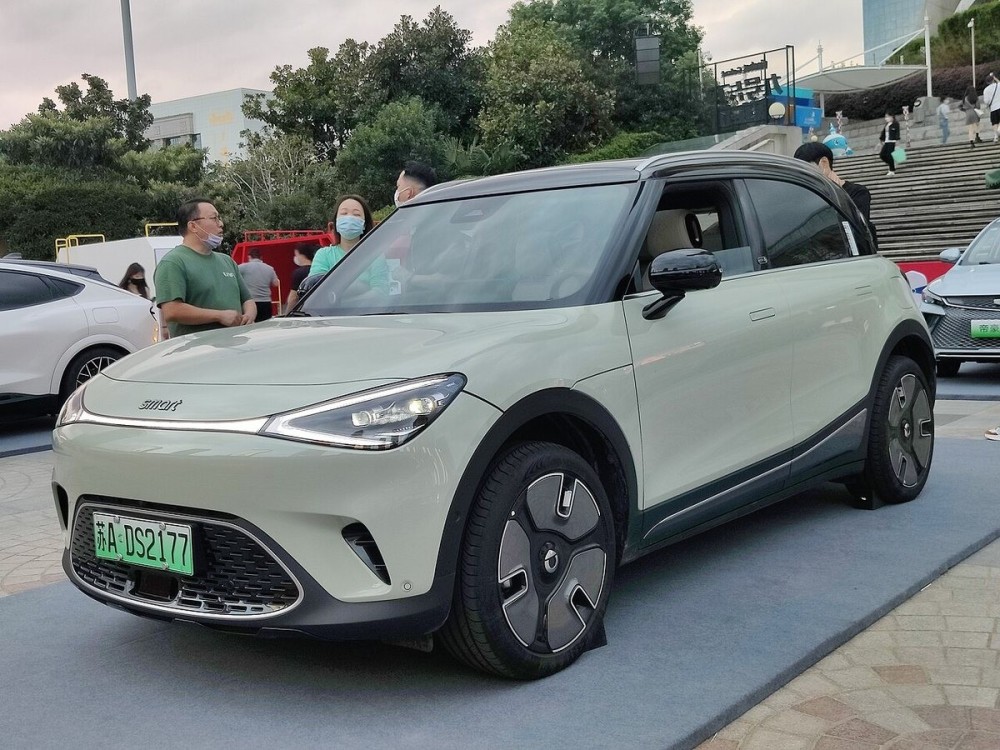
Photo: JustAnotherCarDesigner / Wikimedia Commons (CC BY-SA 4.0) — Illustrative: the current smart #1, ahead of the #2 launch.
Small enough for the old town
The #2 is 2,751 mm long in standard form and 2,764 mm in some variants, riding a 1,875 mm wheelbase, so it slips into parking spaces a hatchback would refuse. The turning circle is 3.35 metres, which means a U-turn in a narrow lane is a single movement. This is the car's entire pitch: not value per seat, but a city tool that happens to be electric.
- Body: 2,751-2,764 mm long, 1,875 mm wheelbase, two doors and two seats
- Turning circle: 3.35 m
- Motor: 60 kW rear-mounted unit
- Battery: 35.8 kWh CATL lithium iron phosphate pack
- Range: 410 km CLTC; 10-80 per cent DC charge in about 20 minutes
Not a bare-bones city car
Mechanically the #2 is more serious than its size suggests. The motor drives the rear wheels, the suspension is MacPherson strut at the front and a five-link independent setup at the back rather than a torsion beam, and the tyres are narrower at the front than at the rear, a layout usually reserved for sports cars. Mercedes-Benz engineers were involved in the chassis tuning. Vehicle-to-load discharge is included, so the car can power equipment outdoors.
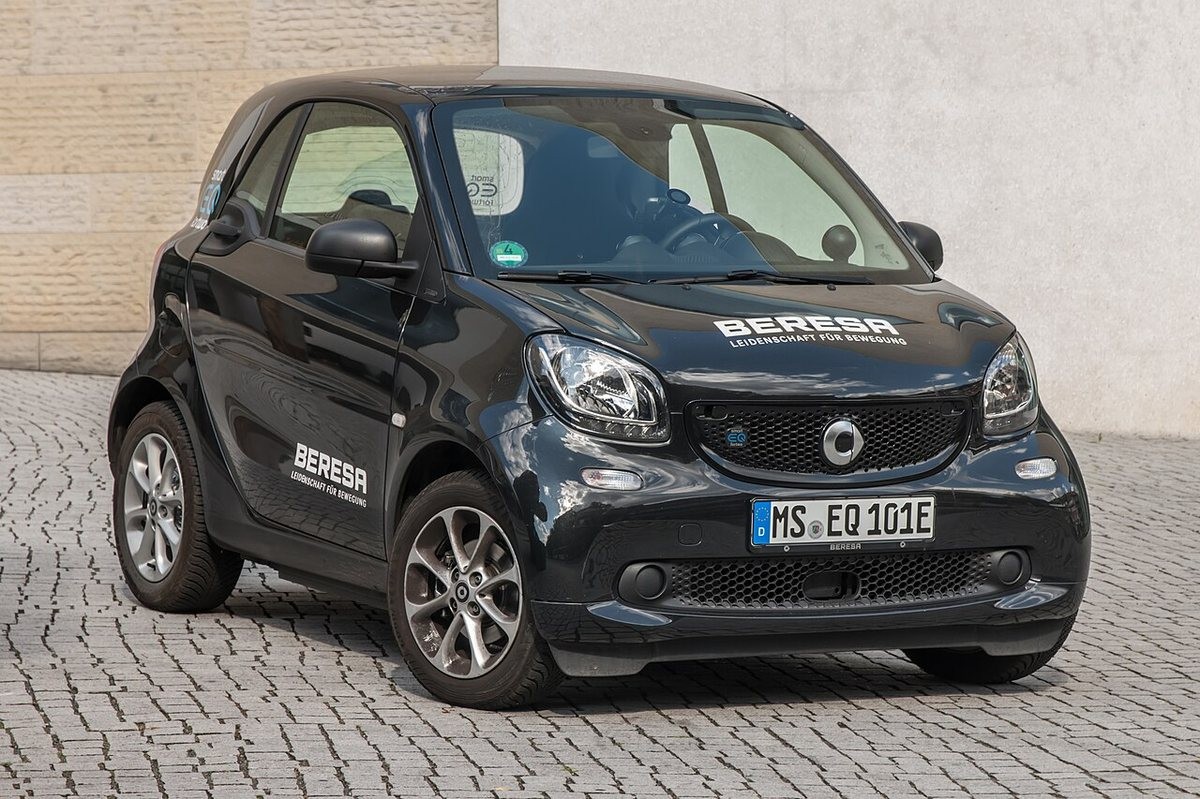
Photo: Johannes Maximilian / Wikimedia Commons (CC BY-SA 4.0) — Illustrative: the classic two-seat smart fortwo that the #2 revives.
A cabin built for two
Inside there is a 12.8-inch central screen and an 8.8-inch driver display, plus Level 2 driver assistance, which is more equipment than the price band usually carries. The design language picks up the rounded, friendly look smart used before the brand went SUV-only with the #1 and #3, and the #2 sits below both in size and in concept.
Who actually buys it
The honest answer is that this is not a rational purchase measured in seats per yuan. Two seats and a small boot rule out family duty, and there are cheaper four-door electric cars in China. The #2 is aimed at single commuters, second-car households and buyers who want something with personality in a market where small cars have almost vanished. Whether smart can sell enough of them depends on the final price, which arrives on 5 November.
The brand itself has changed shape since the fortwo era. smart is now run by a joint venture between Mercedes-Benz and Geely, with design led from Germany and engineering and production in China, which is why the #1 and #3 crossovers came first and why a small car like this can be developed at all. The #2 is the first model to look back rather than forward.
For a brand that spent recent years moving upmarket into larger crossovers, the #2 is a reset: a reminder of what smart was for, rebuilt as an electric car.